
If your uPVC window is catching on the frame, difficult to close, letting in a draught, or no longer sitting flush, the hinges could be the problem. Window hinges help support the opening sash and guide it back into the correct position when the window closes. When they wear, rust, loosen or become misaligned, the whole window can stop working as it should.
In many cases, failed uPVC window hinges do not mean the full window needs replacing. The issue may be repairable with hinge adjustment, realignment or replacement parts. In this guide, we explain what causes uPVC window hinges to fail, the signs to look out for, and when to call a window repair specialist.
What Do uPVC Window Hinges Do?
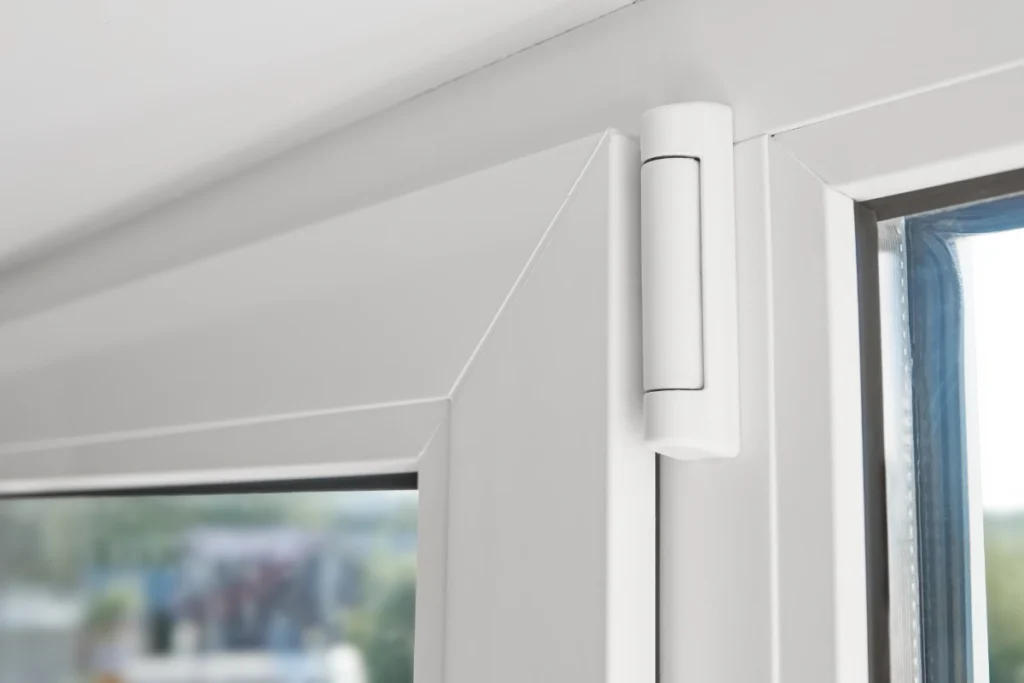
uPVC window hinges support the opening part of the window, known as the sash. They help the window open smoothly, hold it in the correct position, and pull it back into place when it is closed.
Many uPVC windows use friction hinges, also called friction stays. These are designed to control the movement of the window and keep the sash aligned with the frame. When the hinges are working properly, the window should close neatly, seal evenly, and lock without needing to be forced.
If the hinges start to wear, loosen or bend, the sash can drop slightly out of position. This can cause the window to catch on the frame, leave a gap around the edge, or make the handle and locking mechanism harder to use.
Common Signs Your uPVC Window Hinges Are Failing
One of the most common signs of failing window hinges is a window that no longer closes smoothly. It may catch on the frame, feel stiff, or need extra force to pull it shut. You may also notice that the handle has become harder to turn because the locking points are no longer lining up correctly.
Another common sign is a gap around the edge of the window, especially on the hinge side. This can allow cold air, noise or moisture to get through, even when the window appears to be closed. In some cases, the sash may look slightly dropped or uneven within the frame.
You may also be able to see visible signs of wear, such as rust, loose screws, bent hinges or movement in the sash when the window is open. If the window feels loose, does not stay open properly, or no longer pulls tightly into the frame, the hinges may need adjusting or replacing.
Specialist in repair and replacement of broken windows, window handles, window locks and more. Covering Runcorn, Widnes, Frodsham and surrounding areas.
What Causes uPVC Window Hinges to Fail?
There are several reasons why uPVC window hinges can fail. In many cases, the problem builds up gradually over time rather than happening all at once.
General Wear and Tear
Like any moving part, window hinges can wear down with regular use. Windows that are opened and closed often may become stiff, loose or slightly misaligned over time. As the hinges wear, the sash may no longer sit squarely within the frame.
Rust or Corrosion
Although uPVC frames do not rust, the metal hinge parts can corrode, especially on older windows or windows exposed to moisture and bad weather. Rust can make the hinges stiff, weaken the mechanism, and stop the window closing properly.
Dirt and Debris
Dirt, dust, grit and small debris can build up around the hinge area. This can affect how smoothly the window opens and closes. If the window starts to feel stiff, forcing it shut can put extra strain on the hinges and other parts of the mechanism.
A Dropped or Misaligned Sash
If the opening sash drops slightly, the hinges may no longer guide the window into the correct position. This can cause the window to catch on the frame, leave gaps around the edges, or make the handle harder to turn.
Forcing the Window Closed
When a uPVC window is not closing properly, forcing the handle or pushing the window shut can make the issue worse. It can bend the hinges, damage the locking mechanism, or put pressure on the keeps and seals.
Incorrect Replacement Hinges
If hinges have previously been replaced with the wrong size or type, the window may not sit correctly in the frame. This can lead to poor sealing, draughts and further alignment problems.
Can Failed uPVC Window Hinges Cause Draughts?
Yes, failed uPVC window hinges can cause draughts. When the hinges are worn, loose or misaligned, the opening sash may not pull tightly back into the frame. Even a small gap can stop the seals from compressing properly, allowing cold air, noise or moisture to get through.
This is why a draught around a uPVC window does not always mean the rubber seals are the only problem. The issue may be caused by the window sitting slightly out of position, especially if the draught is coming from the hinge side or the window no longer closes flush.
It is important not to simply force the window shut or block ventilation to hide the problem. A repair specialist can check whether the hinges, seals, handle, locking mechanism or alignment are causing the draught and advise on the most suitable repair.
Can uPVC Window Hinges Be Repaired or Replaced?
In many cases, uPVC window hinge problems can be repaired without replacing the full window. If the hinges have become loose or the sash has dropped slightly, the window may be able to be adjusted and realigned so it closes properly again.
If the hinges are badly worn, rusted, bent or damaged, they may need to be replaced. This usually involves fitting suitable replacement hinges so the opening sash sits correctly in the frame and pulls tightly against the seals when closed.
A window repair specialist can check whether the problem is with the hinges alone or with other parts, such as the handle, locking mechanism, keeps, or seals. This helps make sure the right repair is carried out, rather than replacing parts unnecessarily.
What Should You Avoid Doing?
If your uPVC window hinges are failing, avoid forcing the window shut. This may seem like a quick fix, but it can put extra pressure on the handle, locking mechanism, keeps and seals. Over time, this can turn a small hinge or alignment issue into a more expensive repair.
You should also avoid slamming the window, repeatedly forcing the handle, or ignoring visible gaps around the frame. If the sash is already out of position, continued use can make the hinges worse and may affect how securely the window locks.
It is also best not to remove or replace the hinges yourself unless you are confident in what you are doing. uPVC windows need to sit correctly within the frame to close, seal and lock properly. If the wrong hinges are fitted, or the sash is not realigned correctly, the window may still be draughty, stiff or insecure.
When Should You Call a uPVC Window Repair Specialist?
You should call a uPVC window repair specialist if the window no longer closes flush, catches on the frame, feels loose, or lets in a draught around the edges. These are often signs that the hinges, alignment or locking points are no longer working as they should.
It is also worth getting the window checked if the handle has become stiff, the lock does not engage properly, or you have to push or lift the sash to get it closed. These problems can get worse over time and may put extra strain on the hinges, handle, locking mechanism and seals.
A specialist can inspect the full window, not just the hinges, to find the real cause of the fault. At LRM UPVC, we repair uPVC windows across Runcorn, Widnes, Frodsham, Halton and the surrounding areas, helping homeowners fix common window faults without replacing the full frame where possible.
Need Help With uPVC Window Hinge Problems?
If your uPVC window is catching, draughty, difficult to close, or no longer sitting flush in the frame, the hinges may need adjusting or replacing. It is worth getting the problem checked before it puts extra strain on the handle, lock, seals or wider window mechanism.
At LRM UPVC, we repair uPVC windows across Runcorn, Widnes, Frodsham, Halton and the surrounding areas. We will always look at whether the window can be repaired first, helping you avoid unnecessary replacement costs where possible.
For advice or a free, no-obligation estimate, get in touch with LRM UPVC today.
FAQs About uPVC Window Hinge Problems
In some cases, uPVC window hinges can be adjusted or realigned, especially if the window has only dropped slightly. If the hinges are worn, rusted, bent or damaged, they may need to be replaced instead.
Common signs include the window catching on the frame, not closing flush, letting in a draught, feeling loose, or becoming difficult to lock. You may also notice visible rust, bent hinges or gaps around the hinge side of the window.
Not usually. Many uPVC window hinge problems can be repaired without replacing the full window. A repair specialist can check whether the issue is with the hinges, alignment, seals, handle or locking mechanism.
A uPVC window may catch on the frame if the sash has dropped or the hinges are worn or misaligned. This can stop the window from sitting correctly and may make it harder to close or lock.
No. Forcing the window closed can make the problem worse and may damage the handle, locking mechanism, keeps or seals. It is better to have the window inspected before the fault becomes more serious.
This can vary depending on the age of the window, how often it is used, exposure to weather and how well it has been maintained. Hinges on older or frequently used windows are more likely to wear, loosen or corrode over time.