
If your uPVC window will not close properly, it can quickly become more than a small annoyance. It may leave your home draughty, make the window difficult to lock, or create a security issue if the frame will not seal as it should.
In most cases, the problem is caused by worn hinges, a dropped window sash, a faulty handle, a damaged locking mechanism, or seals that are stopping the window from sitting correctly in the frame. The good news is that many of these issues can be repaired without replacing the full window.
Below, we explain the most common reasons a uPVC window will not close properly, what you can safely check yourself, and when it is best to call a window repair specialist.
Quick Answer: Why Your uPVC Window Will Not Close
A uPVC window that will not close properly is usually caused by one part of the window not lining up as it should. This could be the hinges, the handle, the locking mechanism, the keeps inside the frame, or the rubber seals around the edge of the window.
Over time, regular use, weather changes and general wear can cause the opening part of the window to drop slightly or sit out of position. When this happens, the window may catch on the frame, leave a gap, feel stiff when you push it closed, or stop the handle from turning fully.
Common causes include:
-
Worn or damaged window hinges
-
A dropped or misaligned window sash
-
A faulty handle or internal gearbox
-
Locking points that no longer line up with the keeps
-
Damaged, loose or hardened rubber seals
-
Dirt or debris in the frame
-
A mechanism that has become stiff, worn or jammed
If the window feels tight, stiff or stuck, it is best not to force it. Pushing the handle too hard can damage the locking mechanism or make the window harder to repair. In many cases, the issue can be fixed by adjusting or replacing the faulty part rather than replacing the full window.
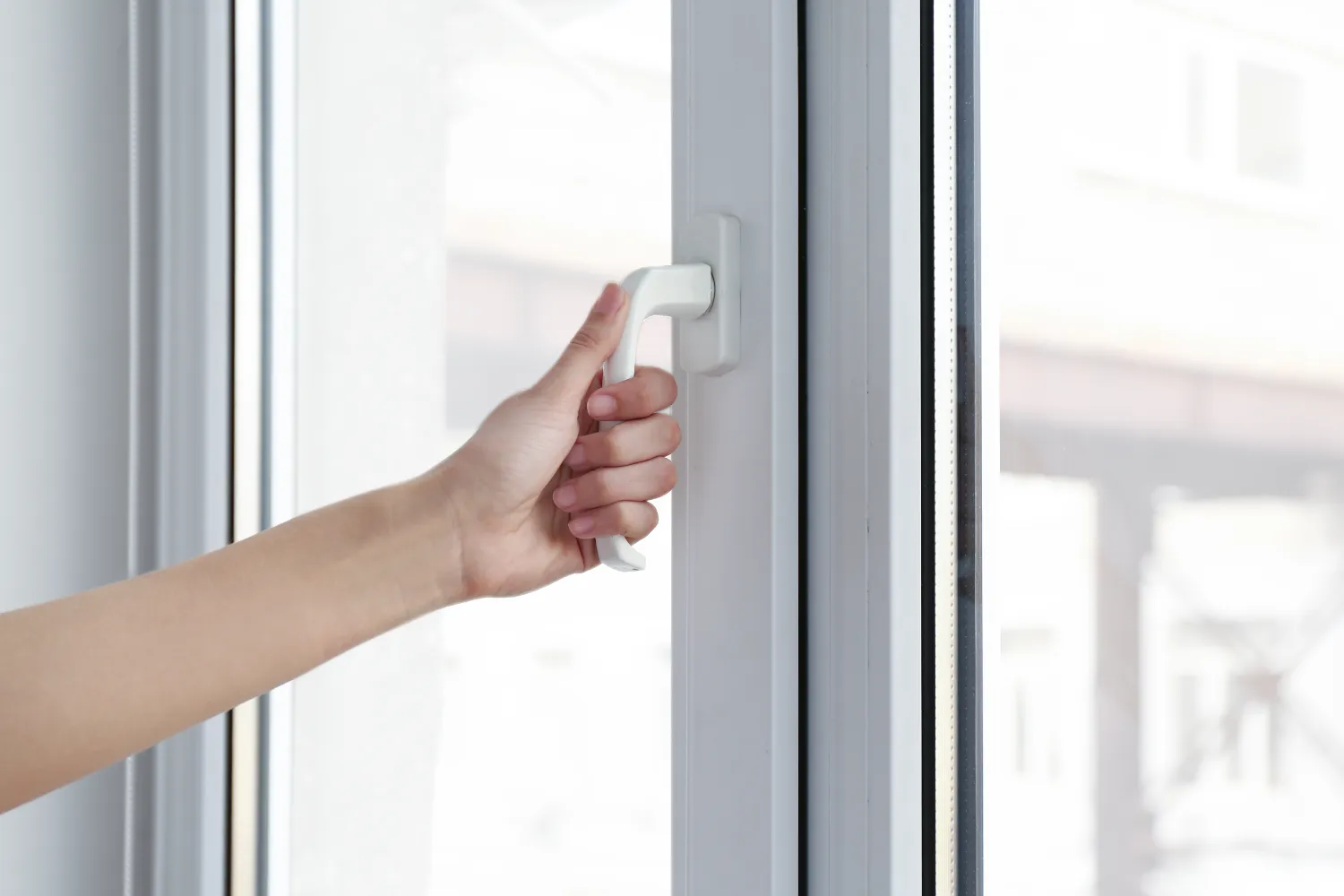
Worn or Failed Window Hinges
One of the most common reasons a uPVC window will not close properly is a problem with the hinges. Window hinges take the weight of the opening sash and help it move smoothly in and out of the frame. Over time, they can wear, bend, rust, loosen or lose their shape, especially on windows that are used often.
When the hinges are worn, the window may not pull tight against the frame when you close it. You might notice a gap down one side, a draught coming through, or the window catching before it shuts fully. In some cases, the handle may feel stiff because the locking points are under pressure and not lining up correctly.
This does not usually mean the whole window needs replacing. If the frame and glass are still in good condition, faulty hinges can often be replaced as a separate repair. This can help the window close properly again, improve the seal, reduce draughts and make the window easier to lock.
If the window has dropped, feels loose, or will not sit squarely in the frame, it is worth having the hinges checked before the problem causes damage to the handle or locking mechanism.
The Window Has Dropped or Moved Out of Alignment
A uPVC window needs to sit squarely inside the frame for it to close and lock properly. If the opening sash has dropped, shifted or moved out of alignment, it can start to catch on the frame or stop the locking points from lining up with the keeps.
This can happen gradually over time through regular use, worn hinges, loose fixings or general movement in the window. You may notice that the window closes at the top but not the bottom, scrapes against the frame, leaves a gap, or needs lifting slightly before the handle will turn.
A misaligned window can also put extra pressure on the handle and locking mechanism. What may start as a small adjustment issue can turn into a broken gearbox, stiff handle or jammed lock if the window is forced shut.
In many cases, a dropped or misaligned uPVC window can be adjusted or repaired without replacing the full window. The important thing is to deal with it before the mechanism becomes damaged or the window is left insecure.
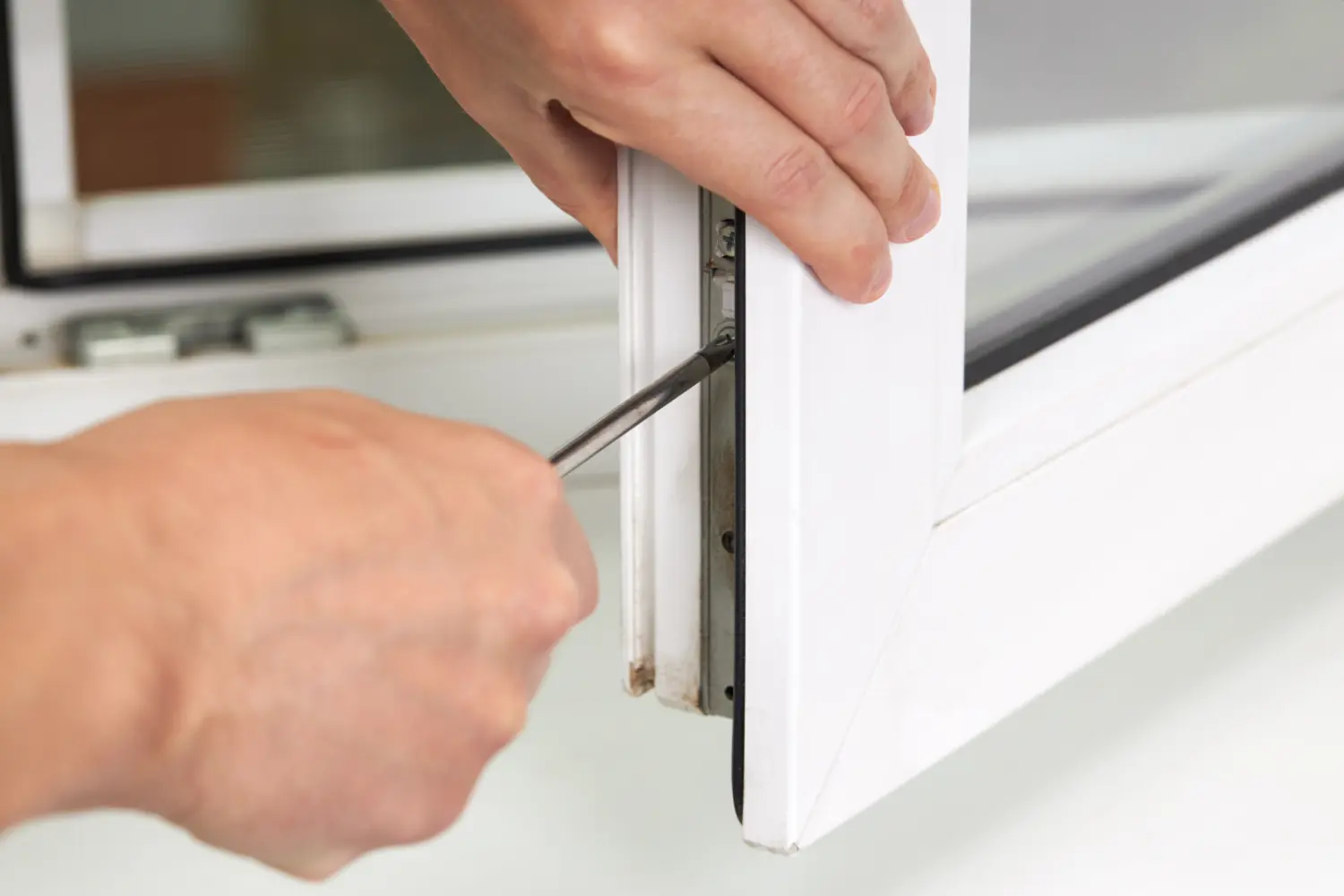
Faulty Locking Mechanism or Keeps
If your uPVC window closes but will not lock, the problem may be with the locking mechanism or the keeps inside the frame. The locking mechanism is the strip inside the window that moves when you turn the handle. The keeps are the small metal parts fixed to the frame that the locking points slot into.
For the window to lock properly, these parts need to line up. If the window has dropped, the keeps have moved, or the internal mechanism has worn, the handle may not turn fully or the locking points may fail to engage. You may feel resistance when turning the handle, or the window may look closed but still feel loose or insecure.
Sometimes the issue is with the gearbox inside the handle area. This can become stiff, worn or damaged, especially if the handle has been forced while the window is out of alignment. Once this happens, the window can become difficult to lock, stuck shut, or stuck open.
A faulty locking mechanism does not always mean the full window needs replacing. In many cases, the lock strip, gearbox or keeps can be adjusted, repaired or replaced, helping the window close securely again without changing the frame or glass.
Stiff, Loose or Spinning Window Handle
A stiff, loose or spinning handle is another common sign that something is not working properly inside the window. The handle is connected to the internal locking mechanism, so when it stops turning as it should, the issue is not always with the handle alone.
If the handle feels stiff, it may be because the locking points are under pressure or not lining up with the keeps in the frame. This often happens when the window has dropped or the hinges have worn. Forcing the handle can damage the gearbox inside the mechanism and make the repair more complicated.
A loose handle may simply need attention before it gets worse, but it can also be a sign that parts inside the mechanism are worn. If the handle spins without locking or unlocking the window, the gearbox may have failed or become disconnected from the locking strip.
It is best not to keep turning or forcing the handle if it does not feel right. In many cases, the faulty part can be repaired or replaced without changing the full window, but catching the problem early can help avoid the window becoming stuck open, stuck shut or insecure.
Specialist in repair and replacement of broken windows, window handles, window locks and more. Covering Runcorn, Widnes, Frodsham and surrounding areas.
Dirt, Debris or Damaged Seals
Sometimes a uPVC window will not close properly because something is stopping it from sitting neatly back into the frame. This can be as simple as dirt, grit, small bits of debris, or a damaged rubber seal getting in the way.
The rubber seals around a uPVC window help the sash close tightly against the frame. Over time, these seals can become loose, flattened, split or hardened. When this happens, the window may not seal as it should, even if the handle and lock still work. You might notice a draught, a small gap, or more outside noise coming through than usual.
It is worth checking the inside edge of the frame for anything obvious, such as trapped dirt, loose seal sections or debris around the closing points. A gentle clean may help if the issue is minor, but avoid pulling at the seals or forcing the window shut.
If the window still will not close properly after a basic check, the problem may be linked to the hinges, alignment or locking mechanism instead. A repair specialist can check whether the seals need refitting, replacing, or whether another part of the window is causing the issue.
What You Can Check Before Calling Someone Out
Before arranging a repair, there are a few simple checks you can do safely. Start by looking around the window frame for any obvious dirt, grit or debris that could be stopping the window from closing. If you can see anything trapped in the frame, gently clean the area and try closing the window again without forcing it.
Next, check whether the window looks level in the frame. If there is a larger gap on one side, or the window seems to catch at the top or bottom, it may have dropped or moved out of alignment. You can also look at the hinge side to see whether the window is pulling tight to the frame or leaving a visible gap.
Try the handle gently. If it turns smoothly but the window still will not lock, the locking points may not be lining up with the keeps. If the handle feels stiff, loose or starts to spin, stop using it and avoid applying extra pressure, as this can damage the internal gearbox.
You should also check whether the window is fully closed before turning the handle. If the sash is not sitting correctly in the frame, the mechanism may not be able to engage properly.
If these basic checks do not solve the issue, or if the window is stuck open, stuck shut or will not lock securely, it is best to get it inspected. Most uPVC window closing problems can be repaired, but forcing the window can turn a smaller fault into a more expensive repair.

When a uPVC Window Needs Professional Repair
Some uPVC window problems are best checked by a repair specialist, especially if the window will not close, will not lock, or feels insecure. These issues are often linked to worn hinges, a faulty handle, a damaged locking mechanism, or a sash that has dropped out of position.
You should arrange a repair if the window is stuck open, stuck shut, difficult to lock, or leaving a visible gap around the frame. It is also worth getting help if the handle spins, feels very stiff, or the window only closes when you lift or push it into place.
Leaving the problem can make it worse over time. A window that does not close properly can let in draughts, make your home less secure, and put extra strain on the internal mechanism. What starts as a simple adjustment or part replacement can become a bigger repair if the window is forced or used while it is out of alignment.
The good news is that many uPVC window faults can be repaired without replacing the full window. Hinges, handles, locks, keeps, seals and mechanisms can often be adjusted or replaced, helping the window close and lock properly again.
Can It Be Repaired, or Do You Need a New Window?
In many cases, a uPVC window that will not close properly can be repaired without replacing the full window. The fault is often with one part of the window, such as the hinges, handle, locking mechanism, keeps or seals, rather than the frame itself.
For example, if the window has dropped, the hinges may need adjusting or replacing. If the handle is stiff or spinning, the internal gearbox or locking strip may be the issue. If the window closes but does not seal properly, the problem could be linked to the hinges, alignment or rubber gaskets.
Repairing the faulty part is usually much more cost-effective than replacing the whole window, especially if the frame and glass are still in good condition. It can also help restore security, reduce draughts and make the window easier to use again.
A full replacement may only be needed if the frame is badly warped, cracked, damaged beyond repair, or if several parts have failed and the window is no longer worth repairing. A good repair specialist should be able to inspect the window and give honest advice on whether a repair is practical before recommending replacement.
Need Help With a uPVC Window That Will Not Close?
If your uPVC window will not close properly, will not lock, or feels insecure, it is worth getting it checked before the problem gets worse. Many faults can be repaired without replacing the full window, whether the issue is with the hinges, handle, locking mechanism, keeps or seals.
At LRM UPVC, we repair uPVC windows, doors and locks across Runcorn, Widnes, Frodsham, Halton and the surrounding areas. We will always look at whether the window can be repaired first, helping you avoid unnecessary replacement costs where possible.
For advice or a free, no-obligation estimate, get in touch with LRM UPVC today.
No, it is best not to force it. If the window is stiff, catching on the frame, or the handle will not turn properly, forcing it can damage the hinges, handle, locking mechanism or gearbox. This can turn a small repair into a more expensive problem.
This is usually caused by the locking points not lining up with the keeps inside the frame. It may happen because the window has dropped, the hinges are worn, or the internal locking mechanism has become faulty. In some cases, the handle or gearbox may also be damaged.
Yes, uPVC window hinges can often be replaced without changing the full window. If the hinges are worn or bent, replacing them can help the window close properly, reduce draughts and improve the way the sash sits in the frame.
A draught can be caused by worn hinges, damaged seals, poor alignment, or the window not pulling tightly against the frame. The window may look closed, but if it is not sealing properly, cold air can still get through.
In many cases, yes. Handles, hinges, locks, keeps, seals and mechanisms can often be repaired or replaced individually. A full replacement is usually only needed if the frame is badly damaged, warped, cracked or beyond economical repair.