
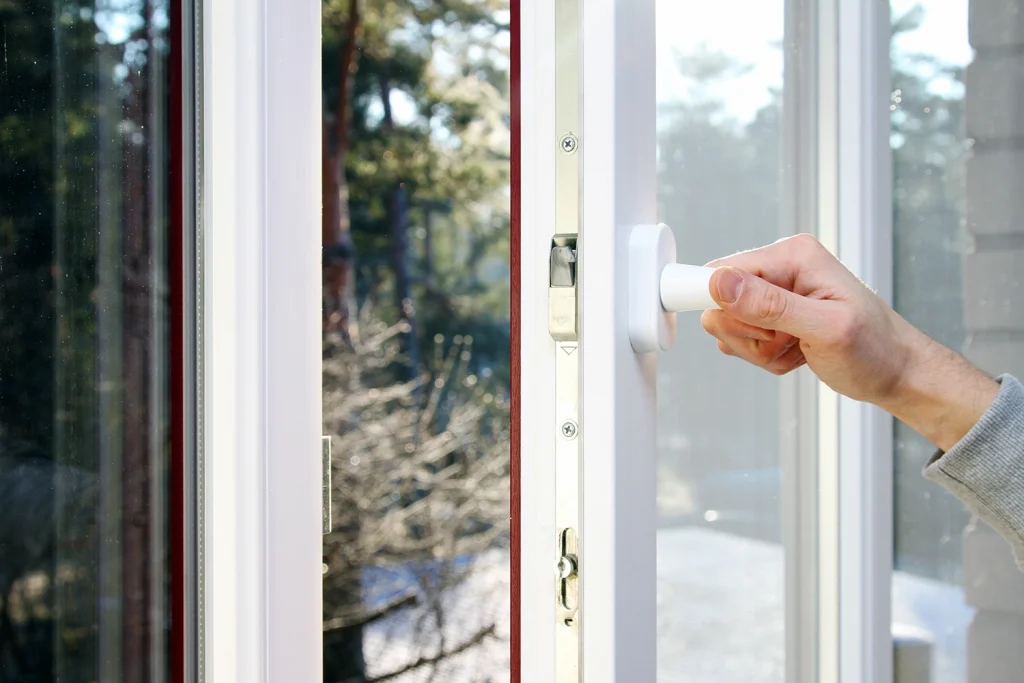
An open window that won’t close is never convenient, especially when it’s letting in the weather or leaving your home a bit more exposed than you’d like. The good news: this is one of the most common calls we get, and it’s rarely as serious as it feels while you’re stood there trying to force it shut.
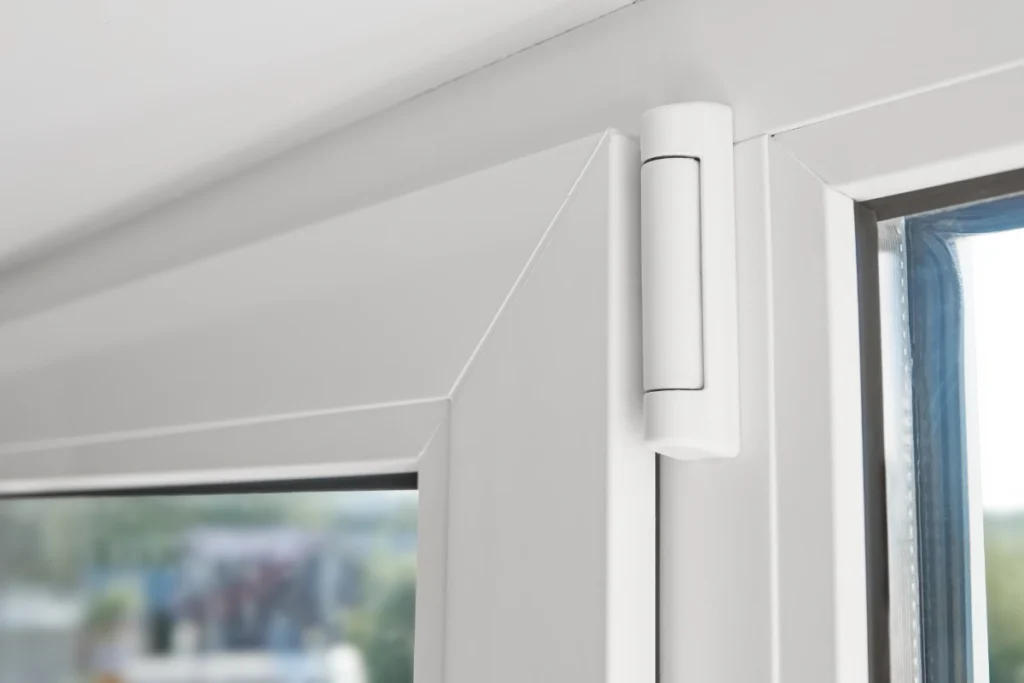
If your uPVC window is catching on the frame, difficult to close, letting in a draught, or no longer sitting flush, the hinges could be the problem. Window hinges help support the opening sash and guide it back into the correct position when the window closes. When they wear, rust, loosen or become misaligned, the whole window can stop working as it should.

If your uPVC window handle is spinning without opening, closing or locking the window, it usually means the handle is no longer connecting properly with the internal locking mechanism. The window may feel loose, become stuck shut, or fail to lock securely, depending on where the fault is.

Cold air usually comes through a uPVC window when the opening sash is no longer sealing tightly against the frame. This can happen even if the window looks closed from inside the room.

If your uPVC window will not close properly, it can quickly become more than a small annoyance. It may leave your home draughty, make the window difficult to lock, or create a security issue if the frame will not seal as it should.

If your uPVC door has started taking a shove, a jiggle, or a lift of the handle before the key will turn, you’re not the only one dealing with it. A door that’s suddenly hard to lock, or a key that feels properly stuck, is one of the most common callouts we get. In almost every case it’s a sign that something small has shifted, not a fault with the door itself. Here’s what’s usually behind it, what’s safe to check yourself, and when it’s worth calling someone in.